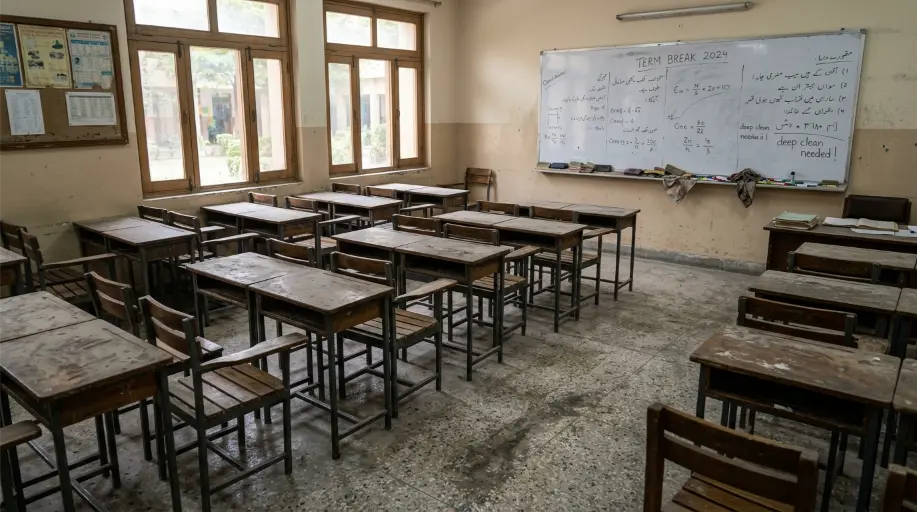
Every school in Lahore runs on the same basic constraint: there’s never a good time to deep clean a campus while students are on it. Daily janitorial work keeps classrooms presentable, but the deeper sanitisation that actually matters, disinfecting shared desks, degreasing a kitchen, extracting a corridor carpet, only fits into the narrow windows between terms. Getting the most out of those windows takes a bit of planning well before the break actually starts.
Why Classroom Sanitisation Needs Its Own Standard
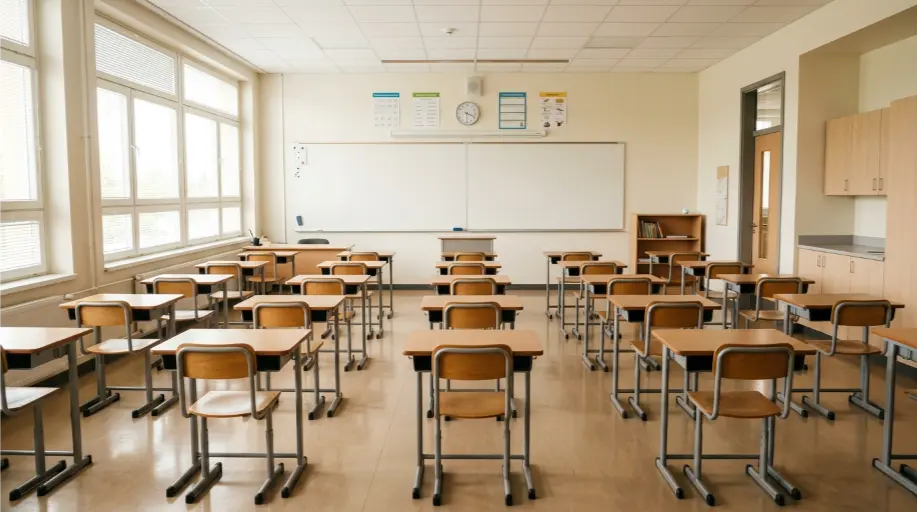
A classroom sees more shared contact in a single day than almost any other room type. Dozens of students touch the same desks, chairs, doorknobs, and shared equipment, which means germs spread through a classroom faster than through most workplaces. Daily wiping handles visible mess, but it rarely disinfects at the level needed to actually reduce the spread of the common colds and stomach bugs that circulate through a school population every term.
A proper classroom sanitisation standard treats high-touch surfaces, desks, chair arms, light switches, and shared science or sports equipment, as priority zones during every deep clean, rather than giving the whole room one uniform pass. This is also where a school genuinely differs from a home or office: the surfaces most in need of disinfection are also the ones handled by the people least likely to wash their hands consistently throughout the day.
Planning Around a Short Term Break
Not every break gives you the same amount of time to work with. A week-long mid-term break allows for a full campus deep clean if it’s scoped properly, while a long weekend or a few scattered days require tighter prioritisation. The most efficient approach ranks zones by actual usage and risk rather than trying to treat the whole campus equally in a short window.
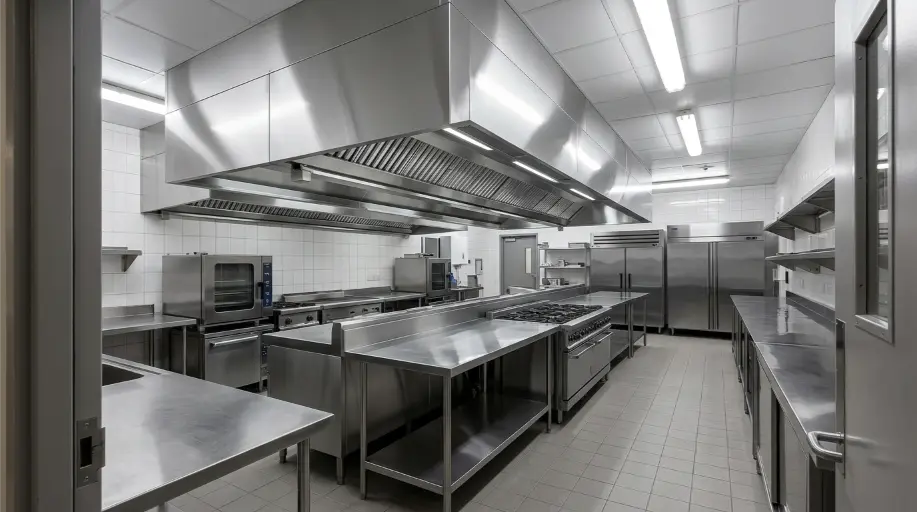
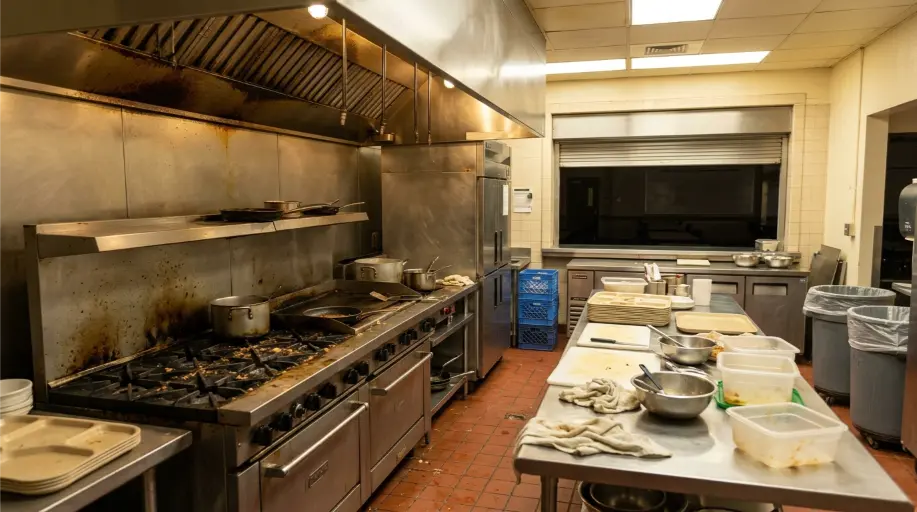
Classrooms and cafeteria areas should sit at the top of that list, given how much daily contact they see. Corridors, libraries, and administrative offices can usually wait for a longer break if time runs short, since their usage patterns don’t carry the same disease-spread risk that classrooms and food service areas do.
Furniture Deserves Its Own Line Item, Not an Afterthought
Chairs and desks absorb more daily contact than almost any other surface in a school, yet they’re often treated as part of a general “clean the room” instruction rather than scheduled with any real frequency. A bulk chair shampooing service in Lahore scoped specifically to classroom furniture, rather than folded loosely into a broader deep clean quote, gives administrators a clearer sense of what that part of the budget is actually buying.
This matters even more for schools with an attached madrassa, since classroom-style seating in both spaces wears down at a similar rate and benefits from being scheduled together during the same break window rather than as two separate jobs weeks apart.
Carpets and Common Areas Follow a Different Schedule
Library carpets, assembly hall flooring, and corridor runners collect dust and allergens differently from a classroom floor, since these spaces see continuous foot traffic throughout the day rather than the more contained use of a single classroom. A carpet cleaning service in Lahore scoped to these common areas on a termly or biannual basis, separate from classroom cleaning, keeps them from becoming the one zone that quietly gets skipped because no single classroom teacher is responsible for flagging it.
Water Supply Is Easy to Overlook During a Campus Clean
Most term break cleaning plans focus on visible surfaces and miss the water supply feeding the campus entirely. If your school relies on an on-site water tank rather than a direct municipal connection, scheduling a water tank cleaning service in Lahore alongside your term break deep clean addresses something that affects drinking water and washroom hygiene across the whole campus, not just one classroom or zone.
Madrassa-Specific Considerations Worth Planning For
A madrassa attached to or operating alongside a school often follows a different weekly and annual calendar than the main academic term structure, which means its cleaning windows don’t always line up neatly with school holidays. Planning these separately, rather than assuming one calendar covers both, avoids the situation where a madrassa’s own break gets missed simply because it wasn’t the same dates as the school’s summer holiday.
Seating and floor surfaces in a madrassa classroom typically see similar wear to school furniture, so the same bulk furniture approach used for classroom chairs applies here as well, just scheduled against the madrassa’s own calendar rather than the school’s.
Post-Event Cleaning Deserves Its Own Budget Line
Annual functions, sports days, and assemblies bring a scale of foot traffic and setup mess that a routine term break clean isn’t scoped for, and trying to squeeze this into the regular cleaning budget usually means one or the other gets shortchanged. A dedicated event cleaning service in Lahore booked specifically around these occasions handles the extra load properly, whether that’s post-function hall cleanup or a deep reset before a major open day for prospective parents.
Building a Realistic Annual Calendar
Most schools do better working from a structured annual plan rather than reacting to each break individually. Classrooms and cafeteria on every major term break, furniture on a termly rotation tied to actual usage, common area carpets on a biannual cycle, and event cleaning budgeted separately from the routine schedule. This spreads cost predictably across the year and avoids the scramble that happens when a full campus clean gets planned only after the break has already started.
The Bottom Line
A school’s cleaning needs are shaped entirely by its term calendar, and working with that constraint rather than against it is what makes a deep clean actually achievable within a short break. Treating classroom sanitisation, furniture, common areas, water supply, and event cleaning as distinct planning items, rather than one vague annual line, gives administrators a clearer picture of what’s being covered and keeps the campus properly maintained without ever disrupting a single class.