A clinic or small hospital in Lahore faces a cleaning problem that a home or office never has to think about: the cost of getting it wrong isn’t just a stained sofa or a dusty carpet, it’s a genuine infection risk. Most facilities still run on whatever cleaning arrangement they inherited, often an in-house sweeper handling everything with the same mop and cloth across every room. A proper infection control standard changes that, and it’s worth understanding what that standard actually involves before setting one up.
Why a Dispensary Needs Its Own Sanitisation Checklist
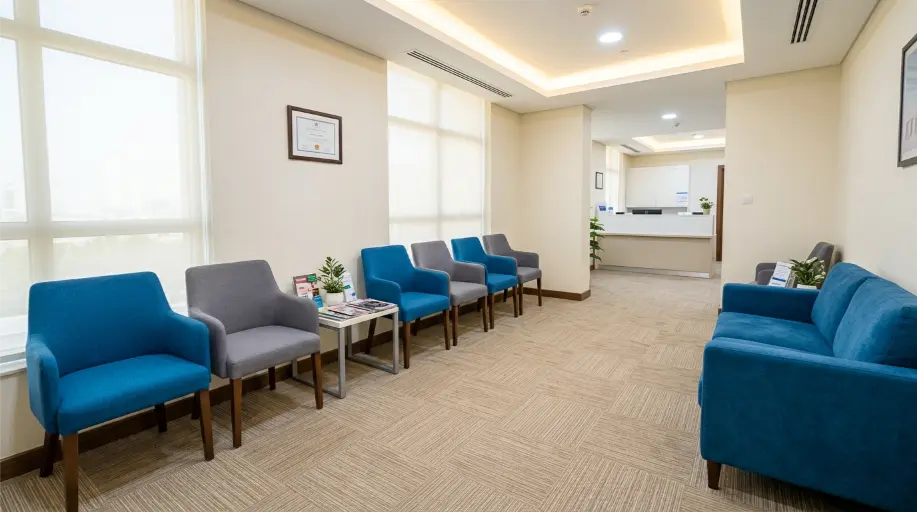
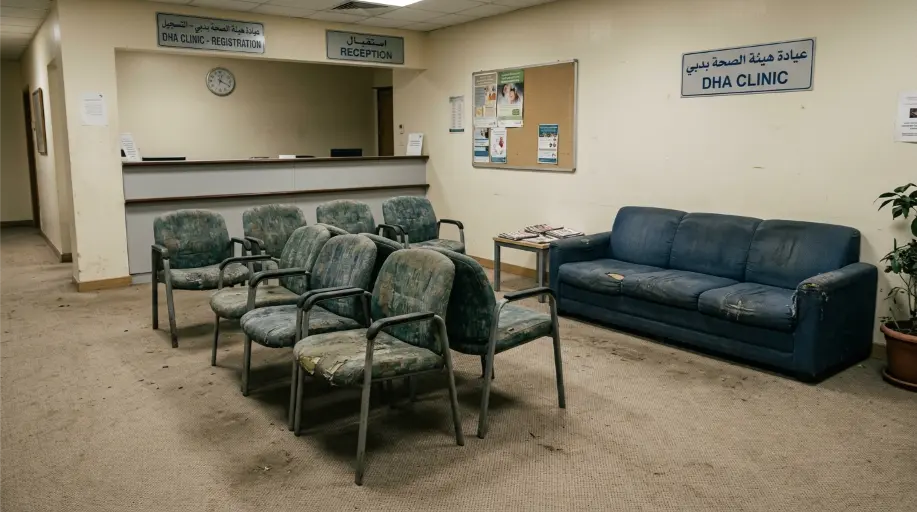
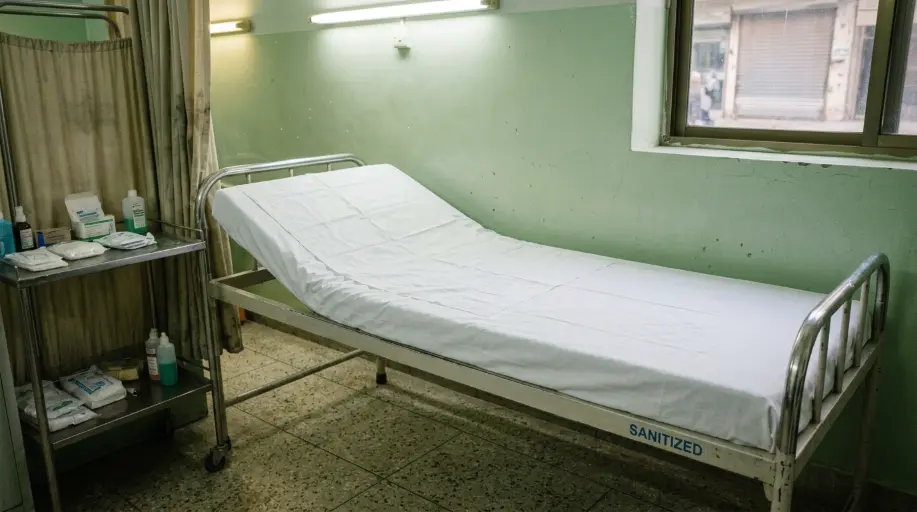
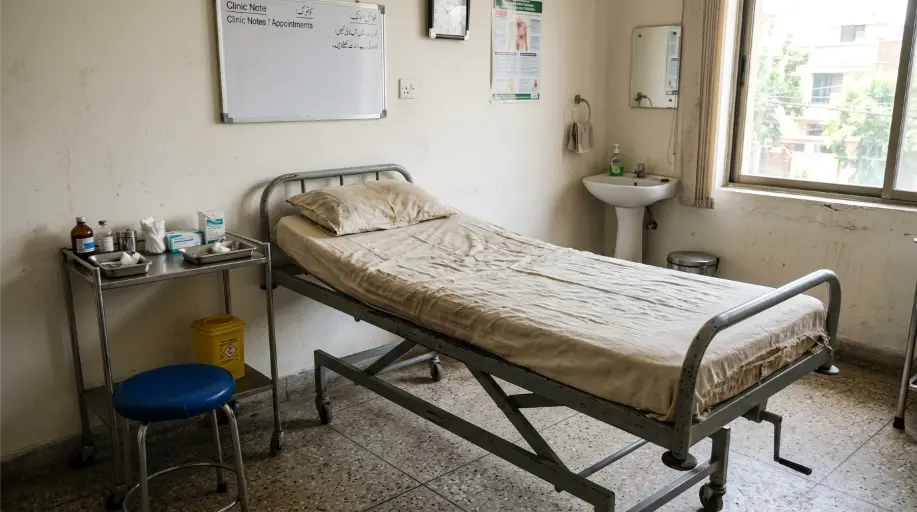
A small dispensary handles a surprising volume of patient contact for its size, often with a single waiting area, one or two treatment beds, and a reception desk all within a few metres of each other. A basic checklist for this kind of facility should separate zones clearly: waiting area chairs and sofas on a frequent wipe-down cycle, treatment beds and mattresses on a stricter between-patient protocol, and reception surfaces treated with the same attention as any high-touch point in a busier hospital.
The mistake most small clinics make is treating the whole space as one undifferentiated room. A waiting chair and a treatment bed carry very different contamination risks, and cleaning them with the same tool at the same frequency underserves one of them every time.
Understanding the Colour-Coded Tool System
The single most important infection control practice, and the one most Lahore facilities skip entirely, is colour-coding cleaning tools by zone. A cloth or mop used on a treatment bed should never touch a washroom surface, and a tool used in a washroom should never cross into a waiting area. Assigning a distinct colour to each zone type, red for washrooms, blue for general surfaces, yellow for clinical equipment, as one common example, makes it immediately obvious to any cleaning staff which tool belongs where.
This isn’t complicated to set up, but it does require deliberate planning rather than assuming staff will keep zones separate on their own. Facilities that document this system in writing, rather than relying on verbal instruction, see far more consistent compliance from cleaning staff over time.
Structuring a Hospital Housekeeping Contract Properly
A housekeeping contract for a larger facility needs more structure than a simple cleaning schedule. It should name every zone type by name, including chairs, sofas, carpets, mattresses, and beds, rather than bundling them into vague language like “general cleaning.” It should specify which tools are dedicated to which zones, and it should include a logging system so that every visit is recorded against the agreed scope.
Facilities considering a broader operational cleaning arrangement, not just the clinical zones covered here, often find it useful to look at a wider commercial cleaning contract in Lahore structure, since the same monthly-versus-annual logic and RFP scoping approach applies whether the facility is an office or a clinic.
Water Supply Is Part of the Infection Control Picture Too
Clinical hygiene doesn’t stop at visible surfaces. If a facility relies on an on-site water tank for handwashing stations or general use, the tank itself needs periodic attention as part of the same infection control plan. A water tank cleaning service in Lahore scheduled alongside your regular facility cleaning keeps the water source itself from becoming the one overlooked link in an otherwise well-maintained hygiene chain.
Privacy Curtains and Window Coverings Need Their Own Attention
Privacy curtains between beds and window coverings in consultation rooms are touched constantly and cleaned rarely, which makes them a genuine but often ignored infection risk. Unlike a home curtain, a privacy curtain in a clinical setting is handled by staff and patients dozens of times a day, and a curtain and blinds cleaning service in Lahore scheduled specifically for these fabric surfaces addresses a zone that a standard floor-and-surface cleaning contract typically skips entirely.
Odour Is a Signal Worth Taking Seriously
Persistent odour in a clinical space usually points to something beyond a normal cleaning gap, whether that’s trapped moisture in upholstery, a lingering issue in a washroom, or bacteria buildup in an area that hasn’t been properly sanitised in a while. Rather than masking this with air freshener, a dedicated odour removal and sanitisation service in Lahore treats the actual source, which matters more in a clinical setting than almost anywhere else, since patients often associate a clean smell directly with how safe they feel in the space.
Building a Realistic Cleaning Calendar for a Small Facility
Most small clinics do best with a tiered schedule rather than one flat cleaning frequency. Daily wipe-downs for chairs, reception desks, and high-touch surfaces. Weekly deeper attention for sofas and carpeted reception areas. A stricter, documented protocol for beds and mattresses tied to actual patient turnover rather than a calendar date. And a periodic UV sterilisation and extraction pass for mattresses on a monthly or bi-monthly basis, depending on patient volume.
This kind of structure also makes it easier to bring in outside cleaning support gradually, starting with the highest-risk zones like beds and mattresses, rather than trying to overhaul the entire facility’s cleaning arrangement all at once.
The Bottom Line
Infection control cleaning in a clinic or small hospital comes down to a few practical habits: separating zones clearly, never letting cleaning tools cross between them, documenting the schedule rather than relying on memory, and treating chairs, sofas, carpets, mattresses, and beds as distinct line items rather than one vague cleaning task. None of this requires expensive equipment or specialist certification to get right, just a clear system that staff can actually follow consistently, day after day.