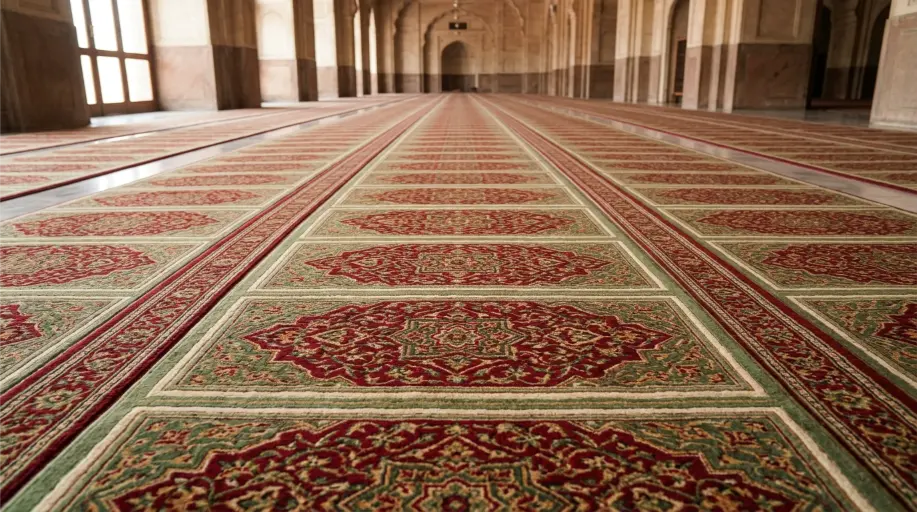
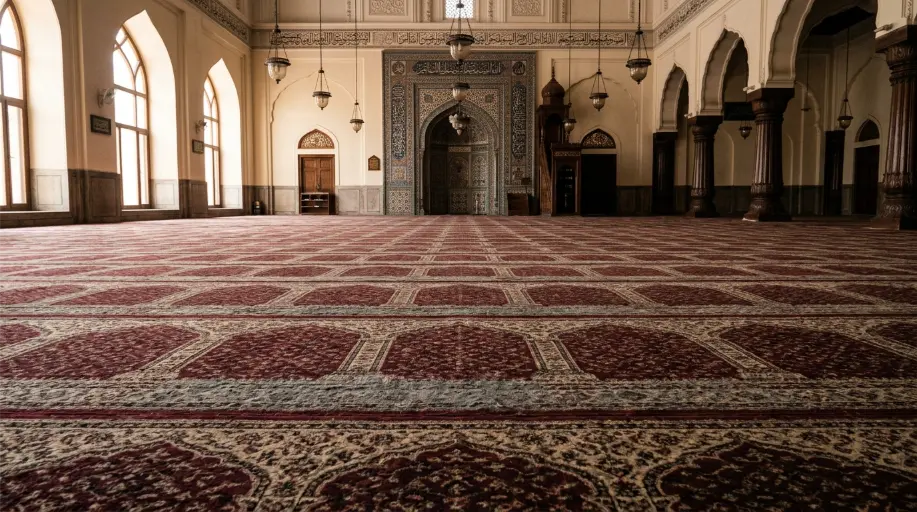
Keeping a masjid clean is different from maintaining a home or office, mostly because the schedule has to work around prayer times rather than around the cleaning crew’s convenience. Most committees end up handling this reactively, calling for help once carpet or saf lines look visibly worn, rather than working from a planned maintenance calendar. A bit of structure around scheduling, seasonal peaks, and a basic madrassa checklist makes the whole process far less stressful when it matters most.
Building a Basic Madrassa Cleaning Checklist
A madrassa attached to a masjid has its own maintenance needs separate from the main prayer hall. Classroom floors and chairs see daily contact from students and need attention more often than the adult prayer areas, simply due to how children use the space throughout the day. A basic checklist should cover chair and desk surfaces on a weekly wipe-down, floor scrubbing every few weeks depending on footfall, and a deeper chair shampoo cycle every few months to remove ground-in dust and daily wear.
Hostel or residential sections attached to a madrassa need a different standard entirely, closer to a home than a classroom. Bedding, shared washrooms, and communal areas benefit from the same room-by-room approach used in a full house deep clean, since students living on-site generate wear similar to a family household rather than a daytime-only space.
Scheduling Around Five Daily Prayers
The core challenge for any masjid cleaning schedule is fitting work into the gaps between Fajr, Zuhr, Asr, Maghrib, and Isha, which vary through the year as prayer times shift with the season. Committees that plan cleaning windows a season ahead, rather than reactively each week, avoid the last-minute scramble that happens when prayer times shift and a previously safe cleaning window suddenly overlaps with Asr or Maghrib.
Jummah deserves its own buffer entirely, since the midday crowd is far larger than any other weekday prayer. Scheduling any deep cleaning work for the evening before or well after Jummah, rather than close to it, avoids the risk of wet carpet or an incomplete job during the week’s busiest congregation.
Wudu Area Hygiene Standards Worth Setting as a Baseline
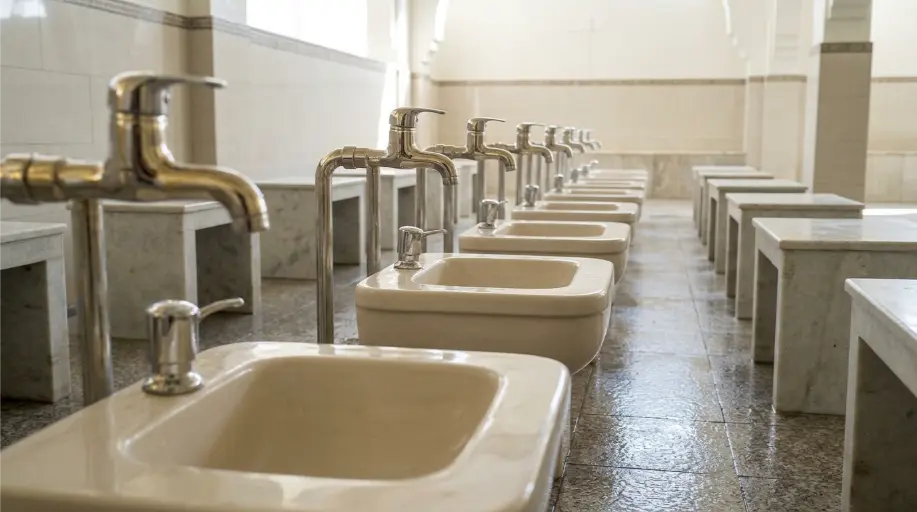
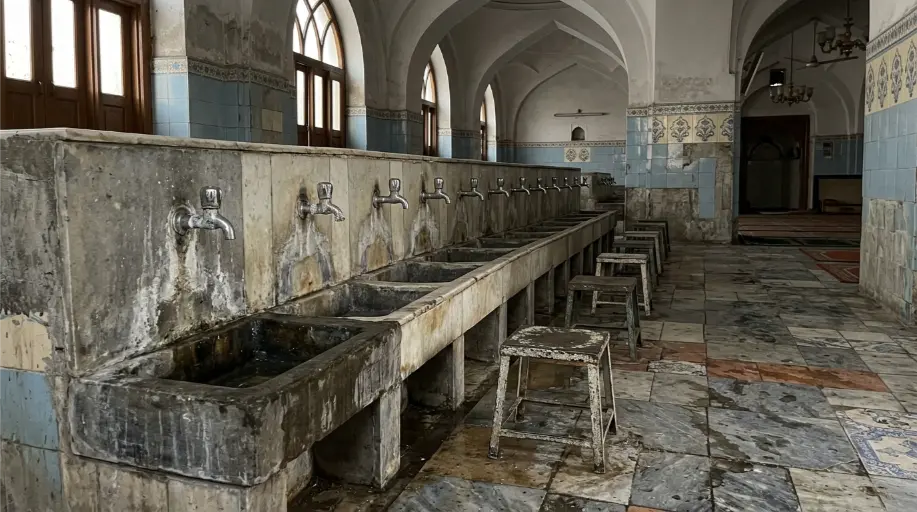
A wudu area needs a higher hygiene standard than an ordinary washroom, given how frequently it’s used and how directly it connects to preparation for prayer. A reasonable baseline includes daily surface wiping of taps and basins, weekly hard water treatment if your area has heavy mineral content in the water supply, and a deeper disinfection pass on a monthly basis.
The water source itself matters just as much as the visible fixtures. If wudu water comes from an on-site tank rather than a direct municipal line, a water tank cleaning service in Lahore on a scheduled basis keeps the source water itself hygienic, not just the taps it passes through.
Handling Odour in a High-Footfall Prayer Hall
Odour control in a masjid is a genuinely different problem than in a home, since hundreds of people walk through barefoot or in socks every single day, and shoes are removed at the entrance rather than kept on throughout. Carpet and saf lines absorb this over time in a way that occasional airing out doesn’t fully resolve, especially in halls without strong ventilation.
A dedicated odour removal and sanitisation service in Lahore addresses this at the source rather than masking it with a fragrance spray, which matters here specifically because strong scents aren’t appropriate for a prayer space the way they might be elsewhere.
Planning Ahead for Ramadan and Special Occasions
Ramadan brings a scale of footfall that a normal weekly schedule isn’t built for, particularly during Taraweeh when the hall fills well beyond typical daily attendance. Committees that plan a deep clean in the weeks before Ramadan begins, rather than trying to fit one in once the month has already started, avoid competing for booking slots against every other masjid doing the same thing at the last minute.
The same logic applies to any other large gathering a masjid might host, whether that’s a community Iftar, a wedding-adjacent event in an attached hall, or a large Eid prayer setup. A dedicated event cleaning service in Lahore scoped specifically for the occasion covers the extra load properly, rather than stretching a routine maintenance visit to handle something at a much larger scale.
Setting a Realistic Annual Calendar
Rather than treating every cleaning need as an individual request, most committees find it easier to work from a simple annual structure. Monthly carpet and saf maintenance covers routine upkeep. A deeper full-facility clean, covering sofas, chairs, and the wudu area together, fits well on a quarterly basis. A dedicated pre-Ramadan deep clean sits on top of that as its own annual event, planned months rather than weeks in advance.
This kind of calendar also makes budgeting far more predictable for a committee working with donation-based funds, since costs get spread across the year instead of arriving as one large, unplanned expense right before a peak period.
The Bottom Line
A masjid’s cleaning needs are shaped by its prayer schedule, not the other way around, and a bit of planning around that reality saves committees from the last-minute scramble that usually happens before Ramadan or a major event. Setting a basic madrassa checklist, building hygiene standards for the wudu area, and thinking about odour control and seasonal peaks as separate line items, rather than one vague annual cleaning budget, keeps the space in good condition without disrupting the worship it exists to support.